


Solitaire Spellbook: Card Game
4.9117.00 Reviews
App Specs
- Version
- 0.16.0
- Updated On
- License
- Free
- Downloads
- 100,000+
- Developer
- SpadeThree
- Categories
- Card
- Platform
- Android
Screenshots
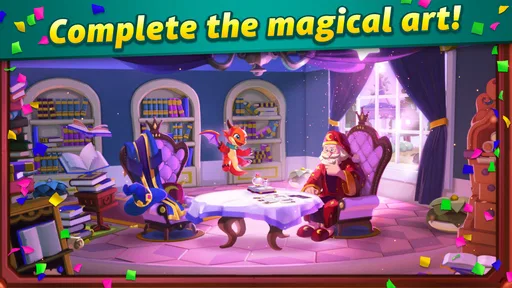
 Analysis by AppCompare
I approached Solitaire Spellbook expecting a familiar card game with a little personality, and that is exactly where its appeal lies. It is a free solitaire game from SpadeThree, designed for people who enjoy classic card play but want something that feels less plain than a standard digital deck. I found it easiest to appreciate in short sessions: a few minutes while waiting, a quiet break between tasks, or a longer evening when I wanted something relaxing without a complicated rule set.
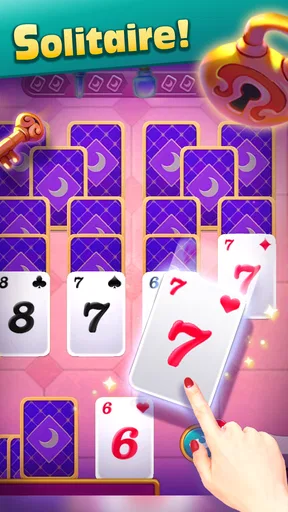
The basic idea is immediately approachable. If you already know how traditional solitaire works, you can start playing without studying a long tutorial. If you are new to the genre, the familiar structure makes the learning curve gentle. The “spellbook” theme gives the presentation a distinct identity, but the cards remain the center of the experience rather than being buried under a large adventure system.
That balance is important. Many mobile card games try to turn every round into a progression system, a competitive event, or a stream of rewards. This one is more comfortable as a focused solitaire experience. My overall impression is that it works best for players who want a calm, repeatable activity and do not need every session to feel dramatically different.
How the current version feels in everyday use
The current release is version 0.15.1, which gives the game the feel of a product that is still being shaped rather than a long-established classic. That is not automatically a problem. In my experience, the core card-play loop is already easy to understand, and the game does not ask for a large time commitment before becoming enjoyable.
I would describe the presentation as approachable rather than overwhelming. The fantasy framing helps separate it from the many plain solitaire apps available on Android and iOS, while the underlying activity remains recognizable. I could pick it up without needing to remember a complex set of controls, then put it down without feeling that I had abandoned a demanding campaign.
That makes it particularly suitable for small gaps in the day. On a commute, I would use it for a quick round rather than planning a long session. At home, it can also fill a longer stretch of downtime, although players looking for constant action may find the pace too measured. Solitaire is naturally repetitive, so the value comes from the quality of the moment-to-moment decisions and the atmosphere around them.
The game is free to start, and its content rating is Everyone, which makes it an easy recommendation for households looking for a light card title without an adult-oriented premise. There are in-app purchases ranging from $0.99 to $99.99 per item, so I would still advise checking the purchase flow before handing the device to a child. The free entry point is useful, but “free” should not be confused with completely separate from optional spending.
Worth Reading Before You Choose

EA SPORTS FC Mobile 26 Is a Bigger Football Game, but It Takes Time

Flipboard Shows What News Apps Must Do Beyond the Feed

Switching to Android Auto Means Rethinking Your Driving Routine

Google Calendar Makes a Crowded Week Easier to Manage

Ludo King Makes the Most of the Minutes Between Plans

Baby Panda World Brings Quick Play to Modern Phones, but Its Game Library Feels Busy
The card loop is familiar, but the theme changes the mood
What I like most is the way the spellbook concept gives ordinary solitaire a more inviting setting. A conventional solitaire app can feel like a utility: open it, move cards, close it. Here, the fantasy presentation makes the same kind of activity feel more like a small ritual. That difference may sound minor, but it affects whether I want to return after finishing one round.
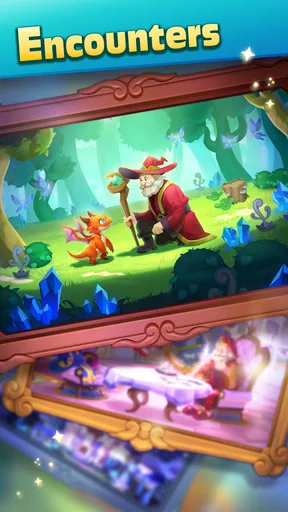
At the same time, the theme will not transform solitaire into a role-playing game. Anyone hoping for a deep story, character development, or a large world to explore should adjust expectations. The appeal is still the card puzzle itself. The magical framing is best understood as atmosphere and identity, not as a replacement for the classic structure.
This is also why the game can suit two very different moods. I can play attentively, thinking through each move, or use it as a gentle mental reset. The second approach is especially useful after a busy day, when I want something more engaging than scrolling but less demanding than a strategy game.
What the release information tells me about its direction
The game was released on May 23, 2024, and the current version number suggests that development has continued through incremental updates. I would not read that as proof of a particular roadmap, but it does tell me that the app should be judged as an evolving title rather than as a finished, decades-old solitaire package.
For new players, that can be encouraging. Joining at this stage means the main experience is accessible without the weight of years of accumulated systems. For existing players, the trade-off is that the app may feel less settled than the most established alternatives. A mature solitaire title often has a very predictable interface and a broad collection of polished options; a newer game can feel fresher, but it may also leave players waiting for refinements.
I appreciate that distinction because it prevents unrealistic expectations. The current version is enough to support casual play, but I would not choose it solely because I expect a particular future feature. I would install it because the present combination of solitaire and spellbook styling already sounds appealing.
What changes mean for someone who already plays
Players who discovered the game earlier will probably notice the importance of version-by-version refinement more than newcomers do. A new user sees only the current experience. An existing user notices whether the controls feel smoother, whether the presentation is more consistent, and whether returning to the game feels worthwhile after time away.
My advice to returning players is to judge the latest build on three practical questions. First, does starting a round feel quick enough for your routine? Second, do the visual choices help you stay focused on the cards? Third, does the game offer enough motivation for another session once the novelty of the theme fades? Those questions are more useful than simply asking whether the app has changed.
The version number also matters when recommending it to friends. If someone wants a traditional solitaire app that has remained almost unchanged for years, I would point them toward a more established alternative. If they enjoy trying a themed card game while it continues to develop, this release is easier to justify.
Small habits that make the game work better
One practical tip is to treat each round according to the time available. When I only have a short break, I avoid opening the game with the expectation of completing a long session. That keeps the experience relaxing instead of turning a casual round into another task on my list.
A second useful habit is to slow down before making an irreversible-looking move. Solitaire rewards attention more than speed, and the themed presentation can make it tempting to tap through cards quickly. I get better results when I pause, scan the available columns, and consider whether a move creates space or simply shifts the problem elsewhere.
A third trade-off is worth keeping in mind: the atmosphere can encourage longer play than the simple rules suggest. If I am using the game during work or study breaks, I set a natural stopping point before starting. That is not a criticism of this app specifically; it is a realistic consequence of a low-pressure game that is easy to restart.
For a shared device, I would also separate the question of suitability from the question of spending. The Everyone rating makes the theme broadly accessible, but the presence of optional purchases means adults should manage store settings and expectations. A child may understand the cards perfectly well without understanding the financial side of an in-app purchase.
Where it stands beside ordinary solitaire apps
The obvious comparison is with a plain Klondike-style solitaire app that focuses on speed, statistics, and minimal decoration. That kind of alternative is better for someone who wants instant loading, a stripped-back interface, and nothing between the player and the deck. It may also be preferable for players who enjoy tracking performance more than following a theme.
Solitaire Spellbook is more attractive to me when the mood matters. The fantasy identity gives the game a reason to feel different from a generic card utility, even though the underlying appeal remains familiar. I would choose it over a bare-bones alternative when I want a little atmosphere during a quiet break.
It also compares differently with competitive card games. Multiplayer titles can provide tension, rankings, and unpredictable opponents, but they demand more attention and often create pressure to keep up. This game is better for solitary focus. If you want to test yourself against other people, it is probably the wrong direction; if you want to make decisions at your own pace, its lack of competition is a strength.
Compared with large collectible-card games, the difference is even clearer. Those games usually ask players to learn decks, manage resources, and follow a more elaborate progression. Here, the attraction is simplicity. I would recommend this one to someone who wants cards without deck construction, daily competition, or a long list of systems to maintain.
Who will enjoy it most
I think the strongest audience is made up of classic solitaire fans who want a little visual flavor without abandoning the familiar card-game rhythm. It is also a good fit for casual players who prefer short, self-contained sessions and do not want to coordinate with other people online.
The game can work for families because of its Everyone rating and straightforward premise, but I would still explain the optional purchase element before letting a child play unsupervised. For older players who enjoy relaxing puzzles, the recognizable rules may be more inviting than a complicated new game with many tutorials.
It is less suitable for people who need a strong narrative, fast reactions, or a clear competitive ladder. I would also hesitate to recommend it to anyone who dislikes themed interfaces and wants the cleanest possible solitaire presentation. In that case, a conventional app may feel more efficient and less distracting.
Where the experience still has room to grow
The main limitation is built into the genre: once the basic solitaire pattern becomes familiar, the theme has to do a lot of work to maintain interest. A player who needs constant novelty may run out of reasons to return sooner than someone who enjoys repetition. The spellbook identity helps, but it cannot make every round feel completely new.
The early version status is another consideration. A newer release can improve over time, yet it may not provide the depth or polish that fans of long-running card apps take for granted. I would be comfortable recommending it as a focused solitaire game today, but I would not describe it as a full substitute for every feature found in mature competitors.
Optional purchases are also a point of friction. The game is free to install, which lowers the barrier to trying it, but the wide purchase range means users should be deliberate about spending. My approach would be to play the free experience first, decide whether the presentation and card loop genuinely fit my habits, and only then consider any optional purchase.
There is also a personal preference involved in the balance between theme and clarity. I enjoy a little fantasy styling, but some players will always find a neutral deck easier to read. If visual decoration ever makes a move less obvious, the traditional alternative wins for practical reasons, even if it feels less distinctive.
What I would watch as the game develops
Because the current version is 0.15.1, I would watch how future releases handle the fundamentals before looking for ambitious additions. The most meaningful progress would be anything that makes starting, playing, and finishing a round feel more consistent without cluttering the experience.
I would also pay attention to whether the spellbook theme continues to support the card game or begins to compete with it. The best direction, in my view, is one where the fantasy identity adds charm while the cards remain readable and the rules remain easy to follow. More content is not automatically better if it slows down the simple pleasure that brought players in.
For existing users, the important question is whether updates give them a reason to return without making the app feel more demanding. For new users, the practical test is simpler: install it, play several rounds at your normal pace, and see whether the atmosphere improves the experience or merely decorates it. That answer will differ from one solitaire fan to another.
SpadeThree has positioned this as a card game for people who already understand the appeal of classic solitaire, and I think that is the right way to approach it. Do not expect a competitive platform or a deep fantasy adventure. Expect a familiar pastime presented with a magical flavor, suitable for quiet sessions and easy breaks.
With an average rating of 4.8 from around 3K ratings and more than 100K installs, it has clearly attracted a meaningful early audience. Those figures are encouraging, but my recommendation rests more on the actual fit: this is best when you want calm card play with a distinct theme, not a crowded game system.
My final view is positive but measured. I would recommend it to a friend who likes solitaire, wants something more characterful than a plain deck, and is comfortable with a game that is still developing. I would steer a competitive player, a story-first gamer, or someone seeking the most minimalist interface toward another option. For everyone in between, the free starting point makes it easy to try, and the current version offers a pleasant reason to return whenever a quiet card break sounds better than another round of scrolling.
Pros
- Relaxing solitaire gameplay with a charming magical theme.
- Easy to learn
- even for players new to card games.
- Short levels make it suitable for quick gaming sessions.
- Progression and unlockables add motivation beyond each puzzle.
- Works well for casual play without requiring intense concentration.
Cons
- Some levels may feel repetitive after extended play.
- Difficulty can vary noticeably between consecutive puzzles.
- Energy or time limits may interrupt longer gaming sessions.
- Optional purchases may be needed for faster progression.
- The fantasy theme may not appeal to traditional solitaire fans.
FAQs for Solitaire Spellbook: Card Game
What is Solitaire Spellbook: Card Game?
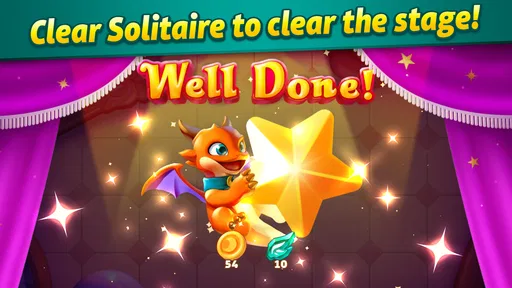
Solitaire Spellbook: Card Game is a fantasy-themed solitaire experience that combines traditional card-clearing gameplay with magical visuals, themed progression, and collectible spellbook elements. Players generally complete solitaire layouts, earn rewards, and advance through increasingly challenging stages. It is designed for casual sessions, making it suitable for playing a few hands at a time or spending longer periods exploring its magical card-game world.
How do you play Solitaire Spellbook: Card Game?
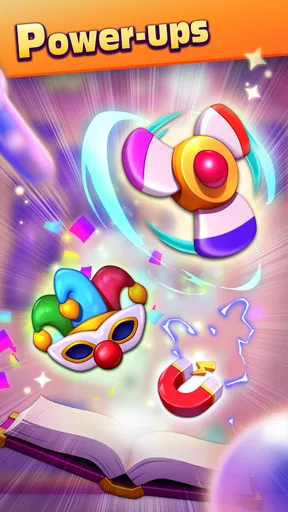
The main gameplay follows familiar solitaire rules: arrange cards in sequence, reveal hidden cards, and clear the tableau while managing the available moves. Depending on the level, special objectives, boosters, or magical abilities may add variety to the standard format. New players should take time to examine every possible move before using a power-up, since a careless move can make a layout much harder to complete.
Is Solitaire Spellbook: Card Game free to download and play?
The game can generally be downloaded without an upfront purchase, but free access may be supported by advertising, optional in-app purchases, or both. Purchases may provide extra boosters, currency, lives, cosmetic items, or other conveniences. Before downloading, check the store listing and your device’s purchase settings, especially if children may use the device, because optional spending can make progression easier but is not always necessary.
Does Solitaire Spellbook: Card Game work offline?
Basic solitaire gameplay may be available without a constant internet connection, which is useful when traveling or playing in areas with weak reception. However, certain features can require internet access, including advertisements, cloud synchronization, events, leaderboards, account services, and in-app purchases. Offline availability may also vary after updates, so it is best to test the game once before relying on it during a flight or commute.
Is Solitaire Spellbook: Card Game suitable for all ages?
Solitaire Spellbook: Card Game is generally approachable for players who enjoy relaxed card puzzles, and its fantasy presentation is usually more playful than intense. Nevertheless, parents should review the age rating, advertising content, privacy information, and in-app purchase options before allowing younger players to use it. The game may also include reward systems or timed events that encourage frequent play, so parental controls can be useful.


